
ytacfm-尊龙凯时官网入口
qr code
product details
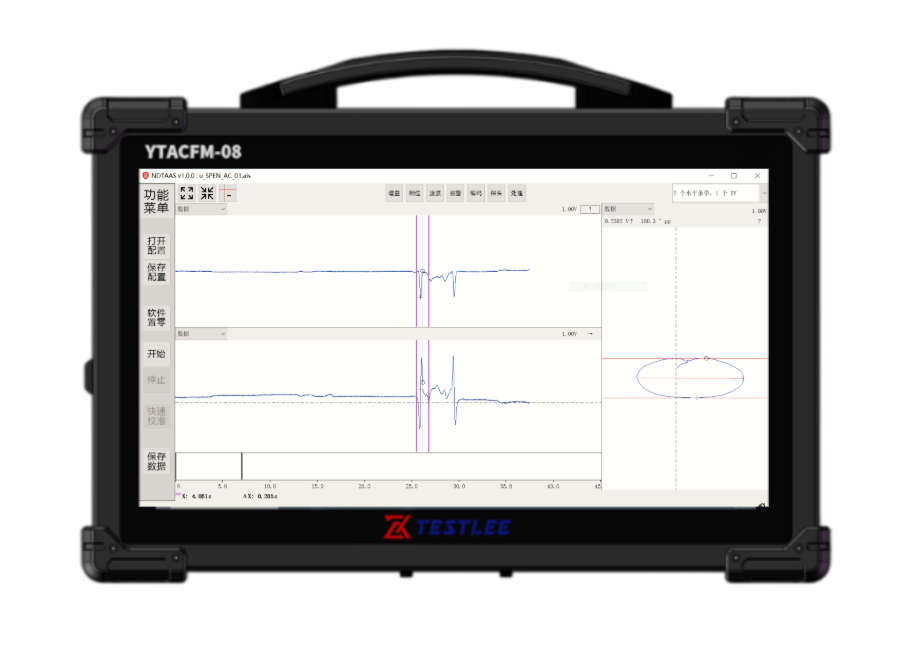
ytacfm-08交流电磁场检测仪
acfm (alternating current field measurement) testing equipment is a high-end non-destructive testing (ndt) solution adaptable to all working conditions. leveraging its core technical strengths — no grinding or paint removal required, non-contact testing, coating penetration, accurate quantitative defect evaluation and excellent adaptability to complex operating environments — it is widely deployed to detect surface and near-surface cracks on metallic components across diverse industrial fields. fully compliant with the industry standard non-destructive testing of pressure equipment (nb/t 47013.21—2025), it acts as the core testing device for in-service inspection, periodic examination and quality acceptance of industrial facilities.
this equipment can precisely identify various defects including stress corrosion cracks, fatigue cracks, weld cracks and thread cracks, covering core testing scenarios across multiple industries. it is mainly applied in key sectors such as oil & gas and chemical engineering, special equipment, offshore engineering, building steel structures, rail transit, power and nuclear power.
in the oil and gas industry, it conducts non-destructive testing on welds and critical components of long-distance pipelines, storage tanks and station facilities. for special equipment, it supports routine inspection of pressure-bearing and heavy-load facilities including boilers, pressure vessels, pressure pipelines and hoisting machinery. in marine and offshore engineering, it satisfies testing demands for offshore platform structures, ship hulls, underwater steel structures and marine pipe fittings under highly corrosive and high-humidity harsh conditions.
furthermore, it is extensively used for defect screening of bridge steel structures, building load-bearing components, rail tracks and vehicle parts for rail transit, as well as metal structures of power equipment. it effectively solves prominent industry pain points of traditional flaw detection technologies, such as cumbersome operation, low efficiency and poor environmental adaptability. compatible with all kinds of complex testing environments including indoor and outdoor sites, high/low temperature conditions, coated surfaces and rusted components, this equipment features outstanding universality and practicality.
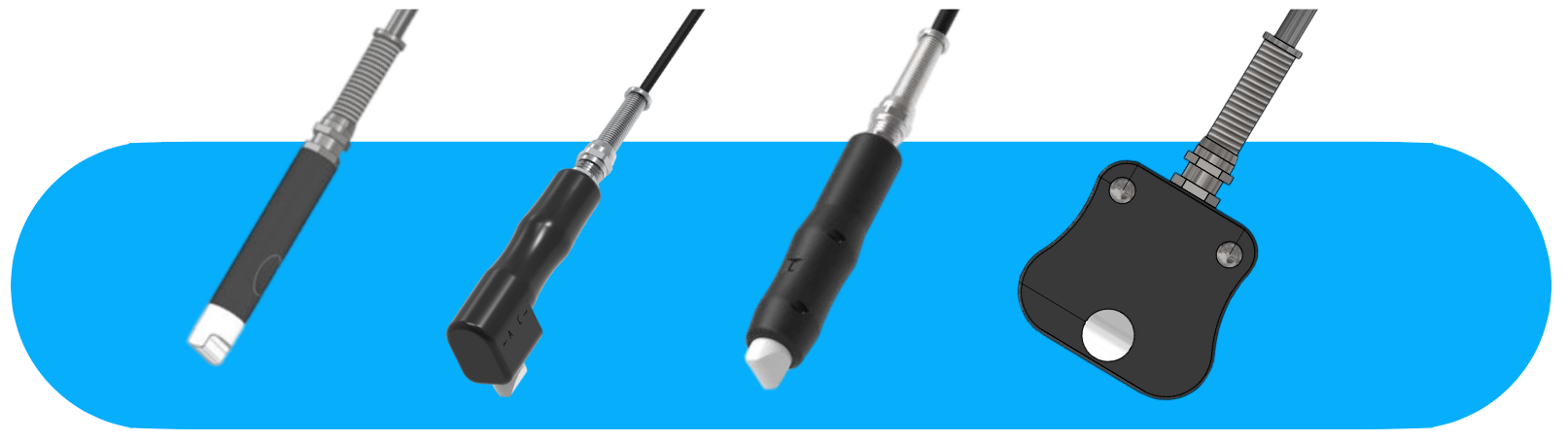
probe:
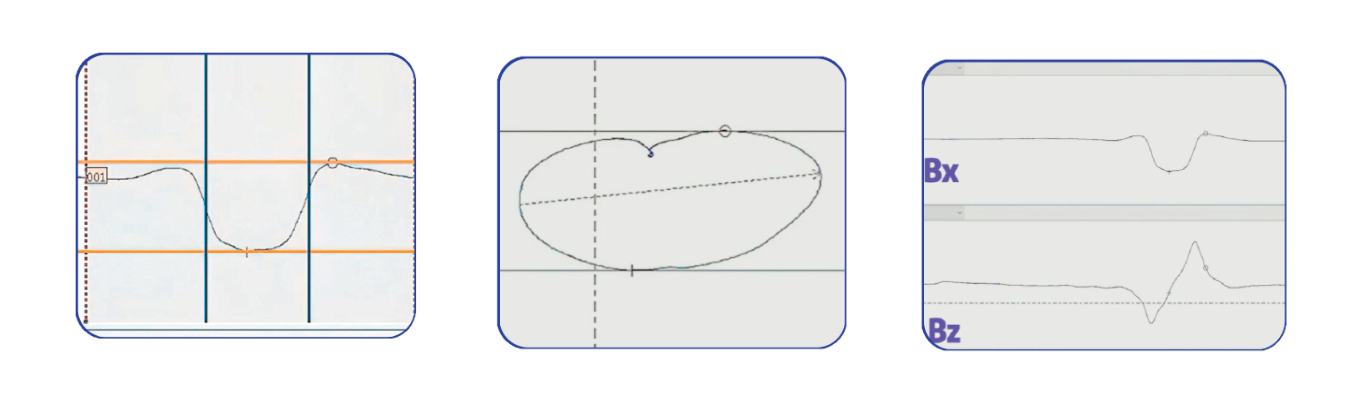
scanning image:
strengths:
detection of surface and near-surface defects on all types of conductive materials.
no surface cleaning required for workpieces; testing can be performed through coatings.
detects cracks in all orientations with high sensitivity.
equipped with defect depth measurement to evaluate defect dimensions.
test results can be recorded and stored, supporting offline analysis.
applicable to special conditions such as underwater and high-temperature in-service operation.
custom probes and encoders are available to meet diverse application requirements.
portable all-in-one unit with user-friendly software interface and simple operation.